
"Andes microregion"
3540 article(s) found

Colombian coffee beans with the same treatment method of water washing introduce fine coffee.
In Tolima province, there are north-south Andes (M. Andes) and Cordillera (M. Cordillera), and between the two famous mountain systems is the Magdalena River (R. Magdalena), which runs from south to north. The name Tolima comes from the people who first lived here, Pijao people, in the language of this ancient people (Pijao word), t

Columbia lingering characteristics how to drink Columbia lingering coffee? Na Linglong Coffee
Professional coffee knowledge exchange more information about coffee beans Please follow the coffee workshop (Wechat official account cafe_style) Columbia is located on the border between the northern and southern hemispheres, so most farms can have two coffee harvests in one or two. Located in the southern Nalinglong producing area, it gets a harvest once a year, so it produces less beans than other Colombian beans. But strong nectar, chocolate and caramel

Introduction of Colombian Vera Coffee producing area what is the flavor of Colombian Vera coffee?
Professional coffee knowledge exchange more coffee bean information please follow the coffee workshop (Wechat official account cafe_style) Colombia's three Codiera mountains run north and south, extending into the Andes, local coffee farmers grow coffee along the highlands of these mountains, with diverse climate production conditions; also because of changes in topography and altitude, Colombia's coffee industry

The taste of the coffee in Santa Cruz Manor, Ecuador is very balanced and refreshing.
Ecuador is divided into the western coast, the central mountains, the eastern Amazon River basin and the four central regions of the Galapagos Islands, with diverse climatic conditions. The western coastal plain belongs to the tropical rain forest climate, with an average temperature of 23-25 ℃. The central Andes. The intermountain basin in this area belongs to the savanna climate, and the mountain belongs to the subtropical forest climate, with perennial snow above 4000 meters above sea level. Annual average decline

How about Peruvian maca coffee?
How about Peruvian maca coffee? Peruvian maca coffee is made from Peruvian maca extract, supplemented by Suoyang, and refined with high-quality Brazilian black coffee. It tastes mellow and full-bodied, completely restoring the single function of coffee. Peruvian Macca coffee allows you to taste the refreshing and aroma of Maca coffee while increasing the efficacy of anti-fatigue and immunity. Peruvian Macca coffee contains a variety of

Introduction to the quality characteristics of Columbia Cauca Valley Coffee Flavor description and its texture Grinding scale
Colombia Cauca Valley Coffee 1, Natural Environment Colombia straddles the northern and southern hemispheres, most of the country's coffee producing areas are located between 2 and 8 degrees north latitude, and coffee producing areas are concentrated in the three rivers and two rivers, that is, the part of the Andes (Cordillera Mountains) in Colombia. Colombia's rivers almost originate from the Andes. Most of the good coffee producing areas have higher posters.

Colombian Coffee Taste and Flavor description method Grinding Calibration Variety producing area
Colombian coffee taste and flavor description method grinding scale varieties of Colombian coffee are divided into more than 200 grades, that is to say, the region of coffee is very strong. The country's coffee-producing areas are located in the Andes, where the climate is mild and the air is humid. Colombia has three Codiera mountains running north and south, right into the Andes. Planted along the highlands of these mountains

Columbia Gem Manor Rose Summer Coffee how to drink _ how does it taste?
Professional coffee knowledge exchange more coffee bean information please follow the coffee workshop (Wechat official account cafe_style) Na Linglong production area is located in southeastern Colombia and Ecuador at the junction of the Andes. The natural geographical environment divides the Nalinglong producing area into three major topography, the first is the plains along the Pacific coast, the second is the Amazon basin, and then the Andes mountains.

Characteristics of flavor and taste of chocolate wine with various coffee beans in different producing areas of ten major coffee producing areas in Peru
Peru is rich in ecological diversity. From the Amazon jungle to golden beaches, from the towering Andes to one of the largest lakes in South America, it has a variety of landscapes and climates. The same is true of its coffee. Peru is the 11th largest coffee producer in the world, but it not only offers quantity, but what is more amazing is that it has ten different producing areas, each of which has

Introduction to San Cristobal Coffee producing area in Ecuador
The famous South American brand, Ecuadorian Grade A coffee, has a large state-run seed value garden; 100% is produced in the natural vegetation zone of 1300-2000 meters highland, popular in Europe and the United States, and tastes exquisite world-class Arabica Arabica flavor at supermarket prices. ES Coffee is a clean organic coffee grown on the slopes of the Andes in Latin America. It is 100% pure coffee, through efforts to change
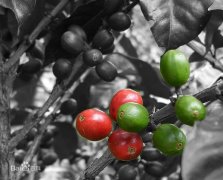
Colombia Boutique Coffee Colombia Tolima
Colombia is divided into 32 provinces. The Department of Tolima is located in the southwest, covering an area of 23,500 square kilometers, adjacent to Huila and Cauca, well-known boutique coffee producing areas. Ibague, provincial capital. In Tolima province, there are Andes mountains (M. Andes) and Cordillera Mountains (M. Cordillera

Introduction of Fine Coffee beans in Galapagos Coffee Manor, Ecuador
West coast: including coastal plains and foothills, high in the east and low in the west, generally below 200 meters above sea level, with some hills and low mountains at an altitude of 600 to 700 meters. Belongs to the tropical rain forest climate, the southernmost end begins to transition to the savanna climate. The average annual precipitation decreases from more than 3000 mm to about 500mm from north to south. Central Mountains: the Andes enter Ecuador from Colombia

The Galapagos Coffee Manor in Ecuador, which can be made into high quality mixed coffee, has a special flavor and taste.
The Republic of Ecuador is located in northwestern South America. It is bordered by Colombia in the northeast, Peru in the southeast and the Pacific Ocean in the west. It covers an area of 256370 square kilometers and the coastline is about 930km long. The equator runs north of the border, and Ecuador means the Spanish equator. [3] Climate Ecuador is divided into the western coast, the central mountains, the eastern Amazon basin and the Galapagos Group

Peruvian coffee in western South America with a short history of coffee cultivation
Peruvian coffee cultivation history is not long, but as a rising star, Peruvian coffee is gradually opening up its popularity and entering the international market. Peru is located in western South America, with a coastline of 2254 kilometers. The Andes runs from north to south, and the mountains account for 1% of the country's area. it belongs to the tropical desert region with a dry and mild climate. Peruvian coffee is mostly grown at the foot of the Andes, where it is abundant.

Villarica Manor, Villa Rica, Oxapampa, Oxapampa, Peru, Pasco, Peru.
Professional coffee knowledge exchange more coffee bean information please follow the coffee workshop (Wechat official account cafe_style) about Peruvian coffee, there are countless interesting stories, the ancient and mysterious Indian legends, the Sky City (Machu Pichu), the mysterious Nazca Land painting (Nazca), the Andes Peak breaking the horizon, and the largest freshwater lake in South America.

Columbia Coffee Manor introduces Cauca Cauca Lazimus Manor
The first part is the triangle of the background, which symbolizes the Andes and implies that most of the Arabica coffee growing areas in Colombian coffee belong to high-altitude mountains. It is well known that the main coffee producing areas in Colombia are located in three Sichuan-lined mountains, all of which are part of the Andes. According to the geographical environment and climate, different areas of coffee
What is anaerobic double fermentation treatment? Colombian "Rose Valley" anaerobic fermented coffee.
Professional coffee knowledge exchange more coffee bean information please follow the coffee workshop (Wechat official account cafe_style) Street Coffee introduction Coffee treatment anaerobic treatment is different from the general three major treatments, the hand-picked red fruits into stainless steel containers, carbon dioxide into stainless steel buckets, the use of carbon dioxide to isolate oxygen to make coffee beans reconcile

Colombia Coffee Flavor Taste Manor Introduction Colombia Fine Coffee
The first part is the triangle in the background, which symbolizes the Andes and also implies that the Arabica coffee in Colombia coffee is grown in high-altitude mountainous areas. It is well known that the main coffee producing areas in Colombia are distributed in three mountain ranges arranged in Sichuan, which are part of the Andes. Depending on the geographical environment and climate, coffee in different regions

Peruvian CENFROCAFE Coffee how about Peruvian coffee? How's the Peruvian coffee?
Peru is located in the west of South America, bordering with Brazil, Colombia and Bolivia, and the Pacific Ocean to the west. The coastline is 2254 kilometers long. The Andes range from north to south, and the mountains account for 1% of the total area of the country. Peruvian coffee is mostly grown along the eastern side of the Andes, mostly at an altitude of 1300 to 1850 meters above sea level, and a small number of producing areas are grown at about 2000 meters above sea level.

Introduction to the characteristics of high-quality coffee beans in the producing area of Ecuadorian coffee with balanced acidity
Ecuador is divided into the western coast, the central mountains, the eastern Amazon River basin and the four central regions of the Galapagos Islands, with diverse climatic conditions. The western coastal plain belongs to the tropical rain forest climate, with an average temperature of 23-25 ℃. The central Andes. The intermountain basin in this area belongs to the savanna climate, and the mountain belongs to the subtropical forest climate, with perennial snow above 4000 meters above sea level. Annual average decline